Directors Research
JAWAD SHARIF- DIRECTOR RESEARCH

Jawad Sharif is a Pakistani documentary filmmaker with awards due to the role of documentary in the cultural identity preservation, human resilience, and the communities that are neglected in Pakistan. His directing career can be described as a dedication to a cinematic approach to social impact and putting people, traditions, and scenery that is scarcely reflected in mainstream South Asian media on screen. Sharif was originally a commercial television producer but, having a keen interest in the stories based on the cultural heritage and human experience, switched to documentary film-making around 2013. This move prompted him to form his own production enterprise; Jawad Sharif Films that has since emerged as one of the most significant voices in the independent documentary industry in Pakistan.
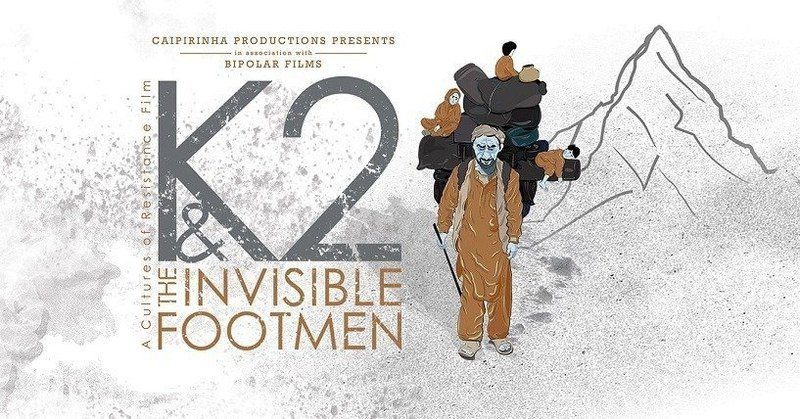
The turning point of Sharif is K2 and the Invisible Footmen (2015) a documentary which traces the life of the porters who accompany the climbers climbing one of the most hazardous mountains in the world, K2. With this movie, Sharif has been able to show that he is capable of telling an ethnographic tale coupled with a cinematography that is visually stimulating. The physical ugliness of mountain surroundings and the emotional gravity of labour that many people overlook is captured in the documentary. He is very observational with his approach, and gives real-life subjects to speak on their own without having to intrude on them by narration. The movie became the trademark style of Sharif, namely, his orientation towards human dignity, the interior landscapes, and the insignificance of the interference in the process of reality development.
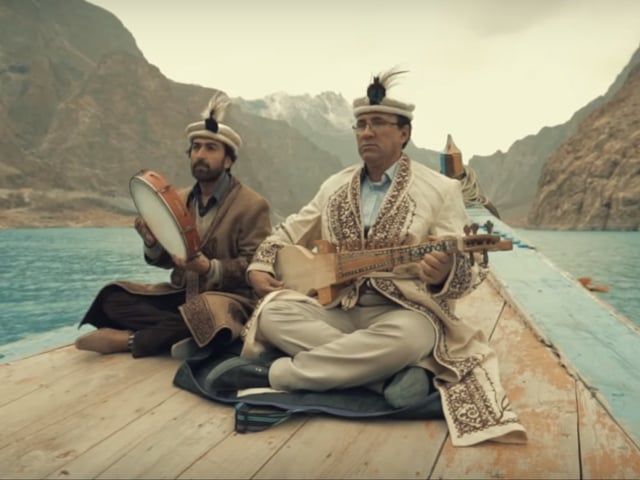
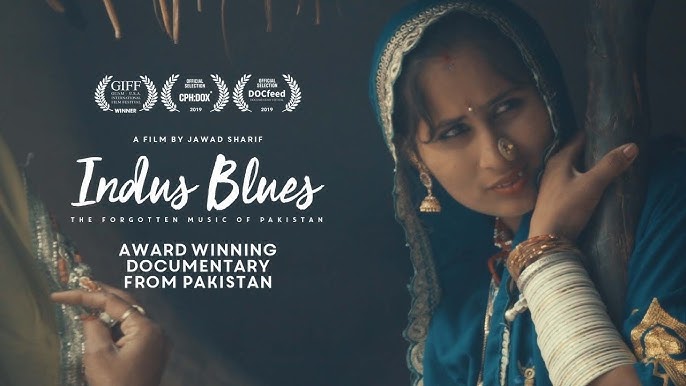
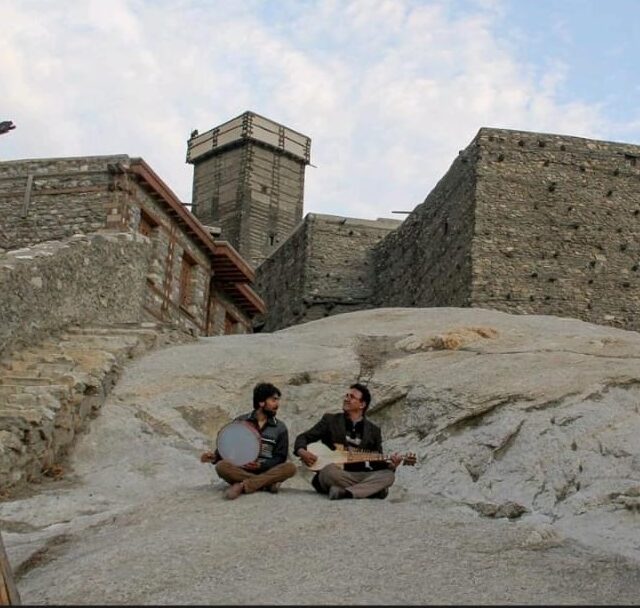
The documentary, Indus Blues (2018), international fame, was created by Sharif; it tours Pakistan recording the folk musical instruments that are becoming extinct and the men who fight to retain them. The movie received several international awards and was shown at the most reputable festivals, such as the DC South Asian film festival and Copenhagen international documentary festival. The directing style of Sharif is further perfected in Indus Blues. He employs long takes, visual symbolism and ambient noises to portray the emotional association between the performers and the surroundings. As an example, the scenes where craftsmen make the instruments with their hands, in contrast to the shots of urban noise in modern cities, create the visual impact of the main idea of the movie the weakness of the cultural heritage in the world of industry.
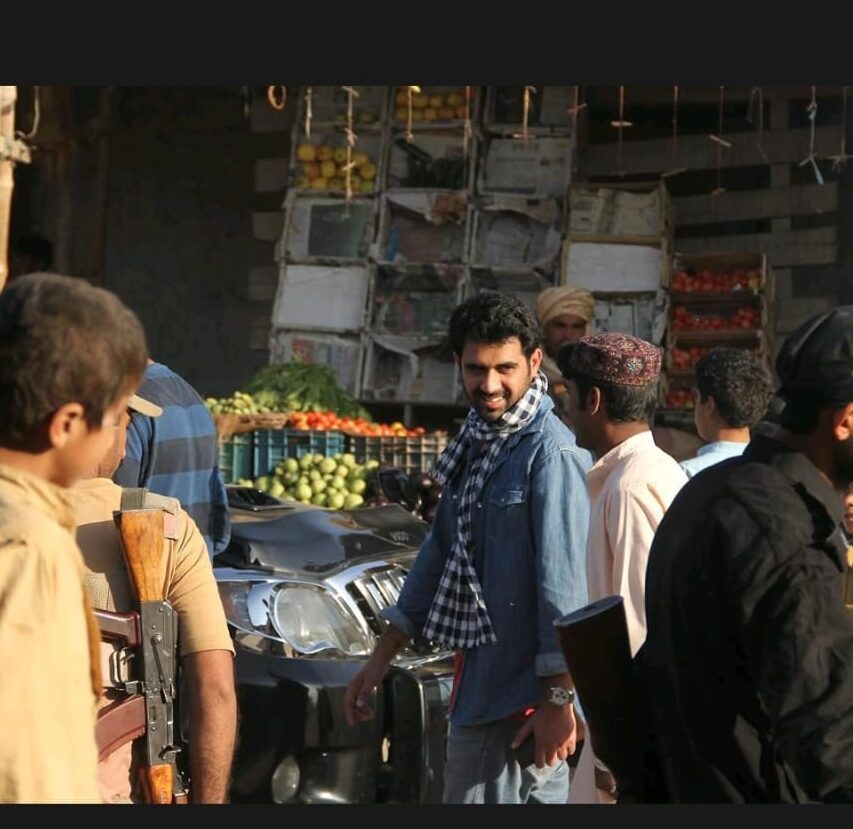
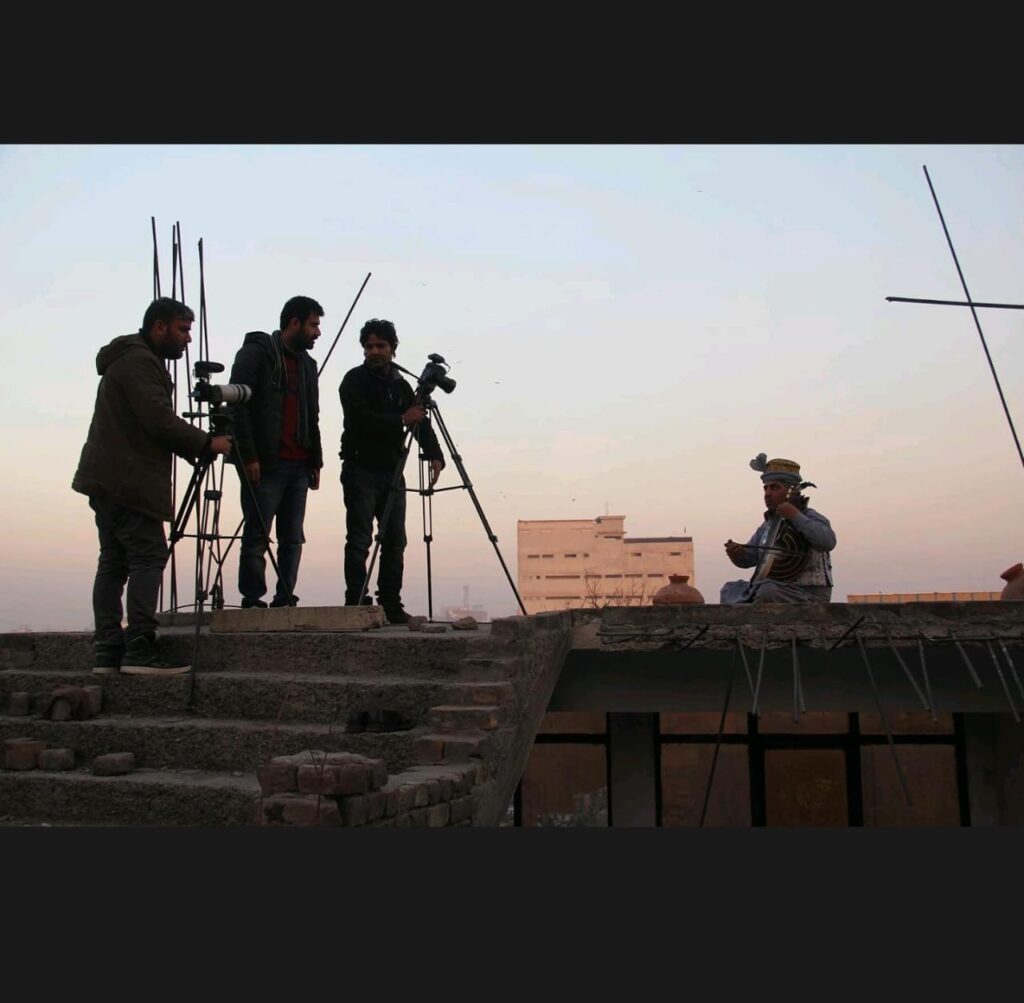
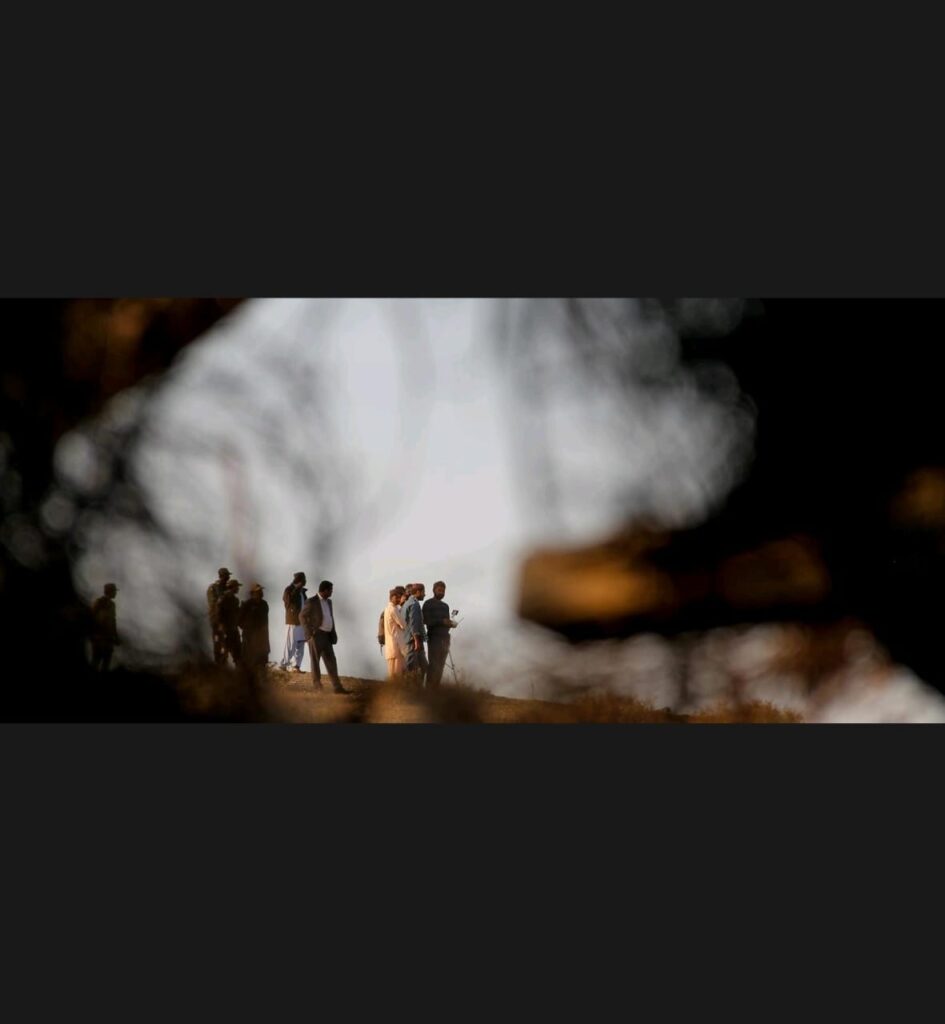
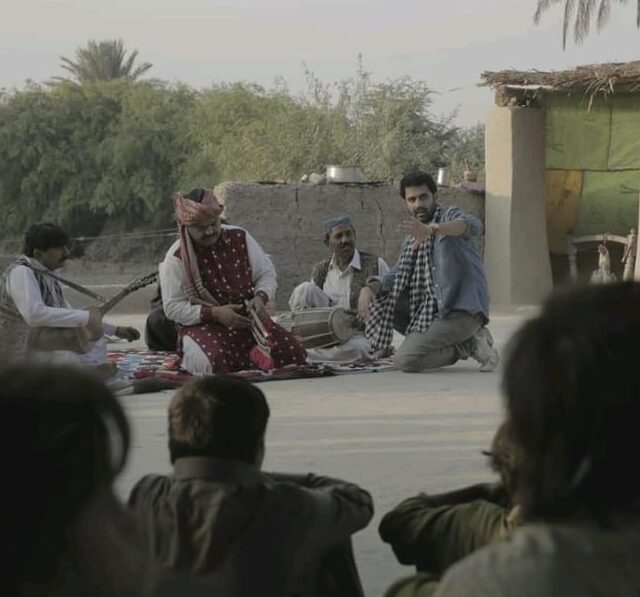
The applicability of natural lighting and on-location recording makes the documentary look more natural, which enhances its emotional appeal by Sharif. The use of landscape as a story element is a recurrent element in the work of Sharif. Whether he was shooting on high grounds in the K2 and the Invisible Footmen, river banks and deserts in the Indus Blues, or the coastline in Natari (2021) where climate migration impacts the characters, he makes the environment an extension of the emotional experiences of th His cinematography tends to put people against huge natural dimensions, and visually focus on the issues of identity, belonging, and survival. Such aesthetic decisions on his part ensure that his films are not merely documentaries but works of poetry. The sound design by Sharif also adds to this poetry. Rather than using the artificial scores, he tends to use natural ambience (wind, water, footsteps) and diegetic sounds of instruments, which make the viewer feel a part of the cultural and physical reality of every scene. The directing process of Sharif is much research-oriented. He spends extended periods of time in communities before shooting, gaining trust and getting to know their past. This makes his description of subjects respectful, accurate and culturally sensitive.
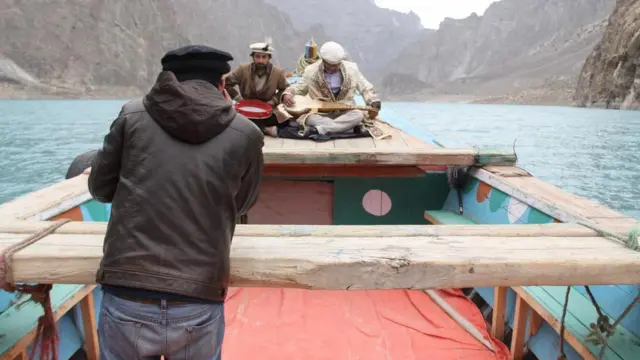
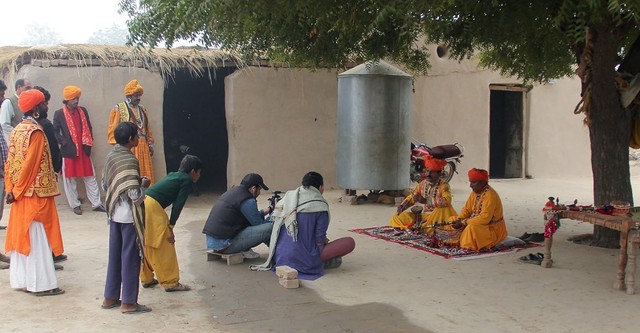
The fact he is devoted to authenticity ensures that his films are useful as cultural documents along with being artistic. This approach to filmmaking is closely associated with the process of development of Attabad to Ajrak that is based in turn on the allusions to the authentic regional traditions including the symbolism of the Sindhi Ajrak or the emotional tone of the northern Pakistani landscapes. Similar to Sharif, the movie uses natural settings, visual representationalism and low dialogue levels to convey an emotional complexity. It can be seen that Sharif had a stylistic influence on Attabad to Ajrak in a number of ways. To begin with, the two focus on silent or less talkative emotional encounters instead of those driven by a lot of dialogue. Sharif frequently uses the emotion by a glance, gesture, or the setting of the subject in his documentaries. On the same note, in Attabad to Ajrak, the emotional conflict between Adeel and Mehak is captured using non-verbal communication and symbolic items like the Ajrak scarf.
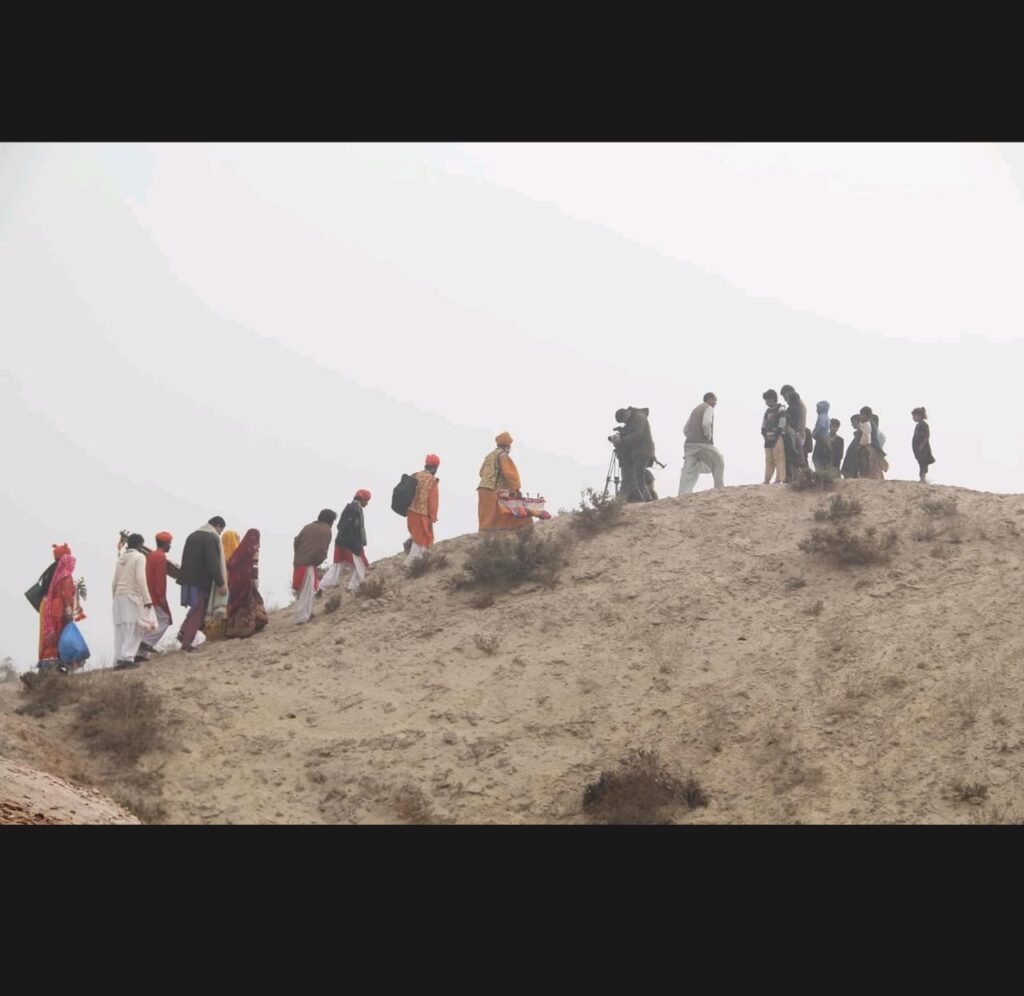
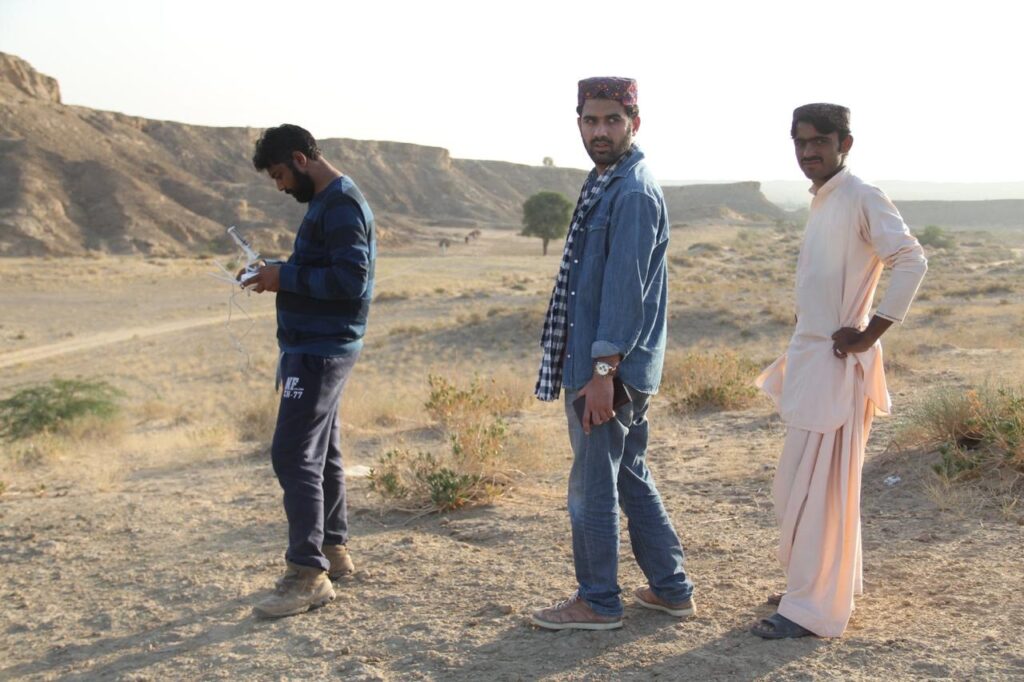
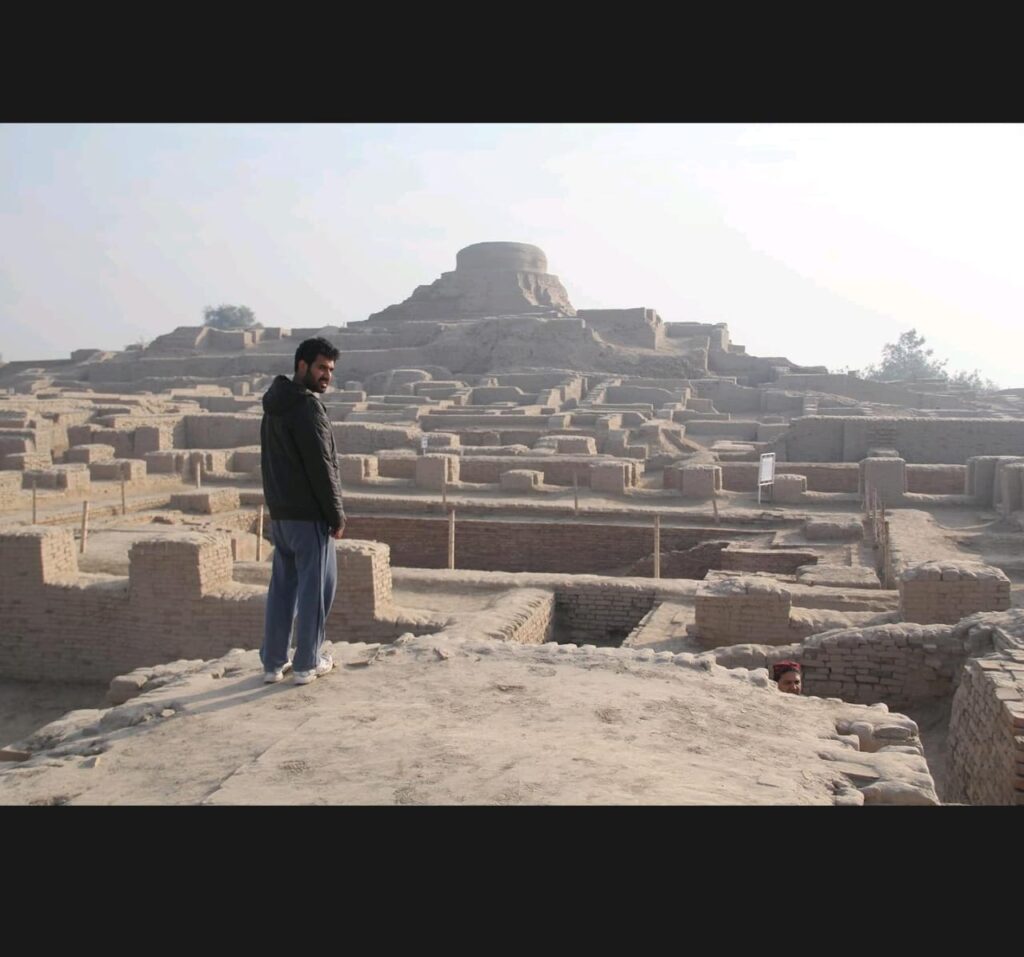
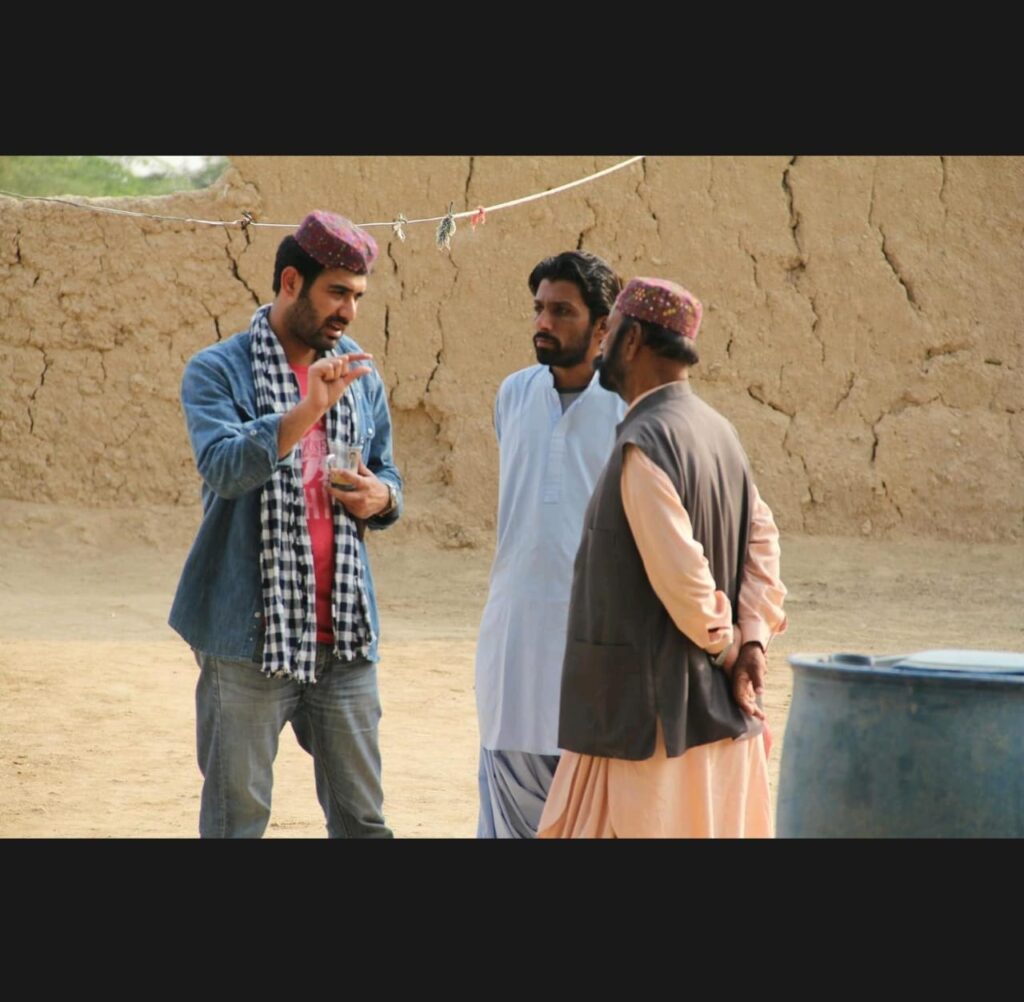
Secondly, the focus on the landscape scenario as emotional space by Sharif can be compared with the focus on the stillness and blue expanse of the Attabad Lake to depict the sense of longing, distance and connection in my fictional story. Third, his depiction of cultural elements folk instruments, crafts, local ceremonies etc respectfully, directly tells me to use Ajrak as a cultural and emotional icon. Lastly, his skill to incorporate realism with poetic visual narration is an excellent example to follow to build the tone, mood, and aesthetic identity of the film.
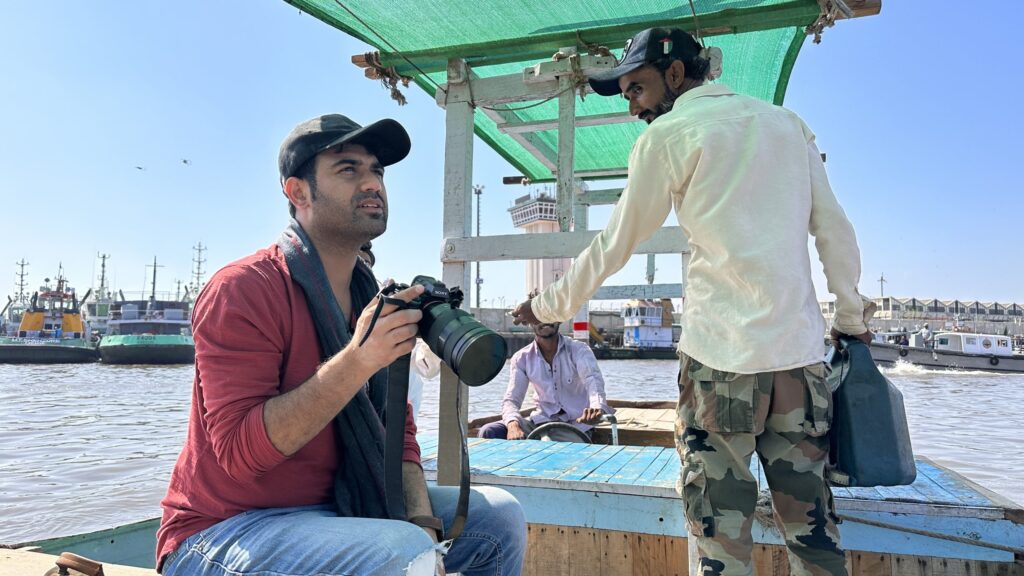
To sum up, the work by Jawad Sharif is highly applicable to the creative course of Attabad to Ajrak. His dedication to the cultural identity documentation, his observational approach to shooting films, and his skills to employ landscapes as both emotive and narrative media are also directly consistent with the style and thematic objectives of my short movie. Through the analysis of the approach used by Sharif, you obtain a professional paradigm of creating a film that is visually motivated, culturally based, and emotionally meaningful as a fictional short movie. He is directed and this aspect is one of the major influences that contribute to making decisions regarding cinematography, pacing, sound design, and when to use symbolism. Due to this, Jawad Sharif is a perfect director in the research of my film attabad to ajrak.
References:
Guam International Film Festival. (2018). Award winners archive. https://www.guamfilmfestival.org
Indus Blues. (2018). Wikipedia. https://en.wikipedia.org/wiki/Indus_Blues
Jawad Sharif Films. (2023). About the director. https://jawadshariffilms.com/about-the-director/
Sharif, J. (2023). Films. https://jawadshariffilms.com
FACE Pakistan. (2020). Indus Blues – About. https://www.face.pk/film/
DW Documentary. (2021). Official YouTube channel. https://www.youtube.com/@DWDocumentary
K2 and the Invisible Footmen (2015)
Sharif, J. (Director). (2015). K2 and the invisible footmen [Documentary]. Bipolar Films. https://vimeo.com/ondemand/k2andtheinvisiblefootmen